
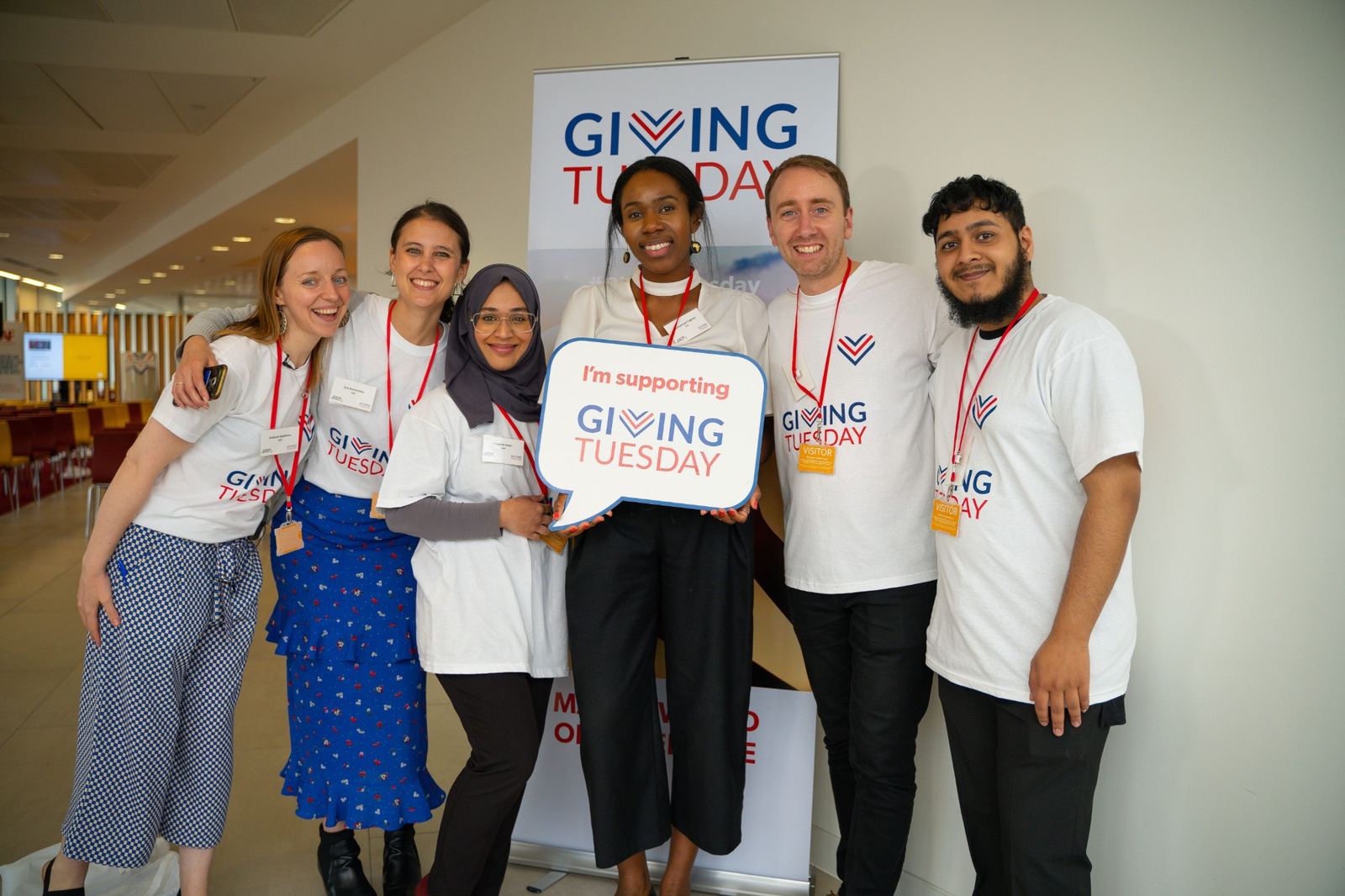
For many nonprofit organizations, the stretch from Giving Tuesday through December 31 is the most important fundraising window of the year. It's also the most crowded. Donors see dozens of appeals in the same few weeks, and most of them sound alike.
The usual playbook for year-end giving focuses on volume and channels: direct mailers, a slew of emails, maybe a matching gift, and a social push on Giving Tuesday. Those tactics only pay off if the message in these campaigns actually persuade people to give.
With Grow Progress, nonprofits can test individual elements of their Giving Tuesday and year-end giving campaigns with a Rapid Message Test before the campaign goes live.
Why Giving Tuesday and year-end giving leave no room for guesswork
Many fundraising campaigns give you time to learn and adjust. Year-end giving doesn't.
- The window is short. Giving Tuesday is one day, and the year-end push lasts a few weeks. By the time results come in, the campaign is over.
- Every donor is being asked at once. Your appeal competes with every other organization your supporters care about. A generic message gets lost.
- Live A/B tests cost you money. Splitting your list mid-campaign means part of your audience always gets the losing message, during the weeks when it matters most.
- Results don't explain themselves. Even if one email beats another, you won't know whether the story, the ask, or the urgency did the work.
That's why the smartest time to learn what persuades donors is before Giving Tuesday, not during it.
How a Rapid Message Test works
A Grow Progress Rapid Message Test (RMT) is conducted using a randomized controlled trial targeting a representative online sample of your donor base randomly split into groups. Each group sees one version of your message, and a control group sees a placebo message. By measuring the lift in donor intent, brand perception (or other metrics) compared to the control group, you're able to directly track the impact of your various messages.
For a year-end giving campaign, you can measure outcomes such a as likelihood to donate, trust in your organization, and favorability. Results come back in ~24 hours, so you can test, revise, and test again well before launch.
8 Giving Tuesday ideas worth testing before you launch
1. Your core story
Every year-end appeal leads with something unique to your organization: one person's story, a community's progress, or the scale of the problem your org is attempting to address. These frames persuade different people in different ways. Test two or three versions of your lead story before it anchors every email, post, and letter in the campaign.
2. Urgency versus hope
Urgency ("the need is greater than ever") and hope ("together, we're making real progress") are the two most common emotional levers in year-end giving. Our 2026 Nonprofits Benchmark Report found these two levers each result in different outcomes, so the right choice depends on whether you need immediate gifts or longer-term trust.
3. Your matching gift framing
Matching gifts are a staple of Giving Tuesday. How you frame the match matters: "double your impact," a named matching donor, or a deadline on the match can each land differently. Test the framing, not just whether to include a match.
4. How you describe the impact of a donation
A $50 gift can be described as a dollar amount, a concrete outcome ("10 nights of shelter"), or a share of a larger goal. Testing "ask framing" shows which one makes giving feel worthwhile to the people you need to reach.
5. The messenger
Who signs the appeal shapes how it's received. Your executive director, a program participant, a longtime donor, and a frontline staff member each bring different credibility. Testing the messenger is a quick way to find a voice that cuts through a crowded inbox.
6. The donor's role
Is the reader a hero who makes the difference, a partner in shared work, or part of a community of supporters? The role you assign the donor changes how the whole appeal feels, and it's easy to test side by side.
7. Headlines and subject lines
On Giving Tuesday, your subject line or ad headline is often the only part people read. Test your top candidates as standalone messages to see which ones actually move people, not just which ones get opened.
8. How you describe the problem
Mission language that seems crystal clear inside your organization can read as jargon to everyone else. Test how you describe the issue with people who don't already share your worldview. The same principle applies to your annual appeal letter and any direct mail fundraising you run alongside your digital campaign.
Read the results by audience, not just the topline
The message that wins overall isn't always the one that wins with the people you need most. A Rapid Message Test breaks results down by subgroup, such as age, political identity, and personal beliefs/motivations.
This data especially matters for year-end giving because your campaign likely speaks to several types of people at once. Someone who gives every December may respond to a different frame than someone who rarely gives. Our benchmark research found that past donors were harder to convince than new donors, which is a reason to test reactivation messages on their own.
If you want to go deeper on who these groups are and what they believe, pair your RMT with an Audience Understanding survey. It polls a representative sample to show what motivates the type of people who make up your donor base. For more ways to combine the two, see our fundraising strategies for nonprofits.
When to test your year-end giving campaign
Because RMT results come back in as little as 24 hours, testing fits into even a tight year-end calendar. A simple sequence:
- Six to eight weeks before Giving Tuesday: Test your core story, urgency versus hope, and how you describe the problem. These choices shape everything else.
- Four weeks out: Test the details: matching gift framing, ask framing, messenger, and the donor's role.
- Two weeks out: Test final headlines and subject lines, then lock creative.
- Giving Tuesday through December 31: Carry the winning message across email, social, digital ads, and mail so donors hear one consistent, tested story.
If you're closer to launch, a single round of testing on your lead message is still worth it. It can confirm your strongest option or flag a weak one before it reaches donors.
See what moved donors at the nation's top nonprofits
The best ideas are the ones you know will work. Grow Progress tested 33 ads from 14 major nonprofits and ranked every one on favorability, trust, and donation intent.
The Nonprofit Benchmarks Report shows which campaigns actually motivated donors to give, when to use urgency versus hope, and the one common strategy that didn't work.
Get the Nonprofit Benchmarks Report before your year-end giving campaign goes live, and learn more about our work with nonprofits.